Appliances
How To Use a Fully Automatic Washing Machine?

5 min
payrentz
Apr 2025
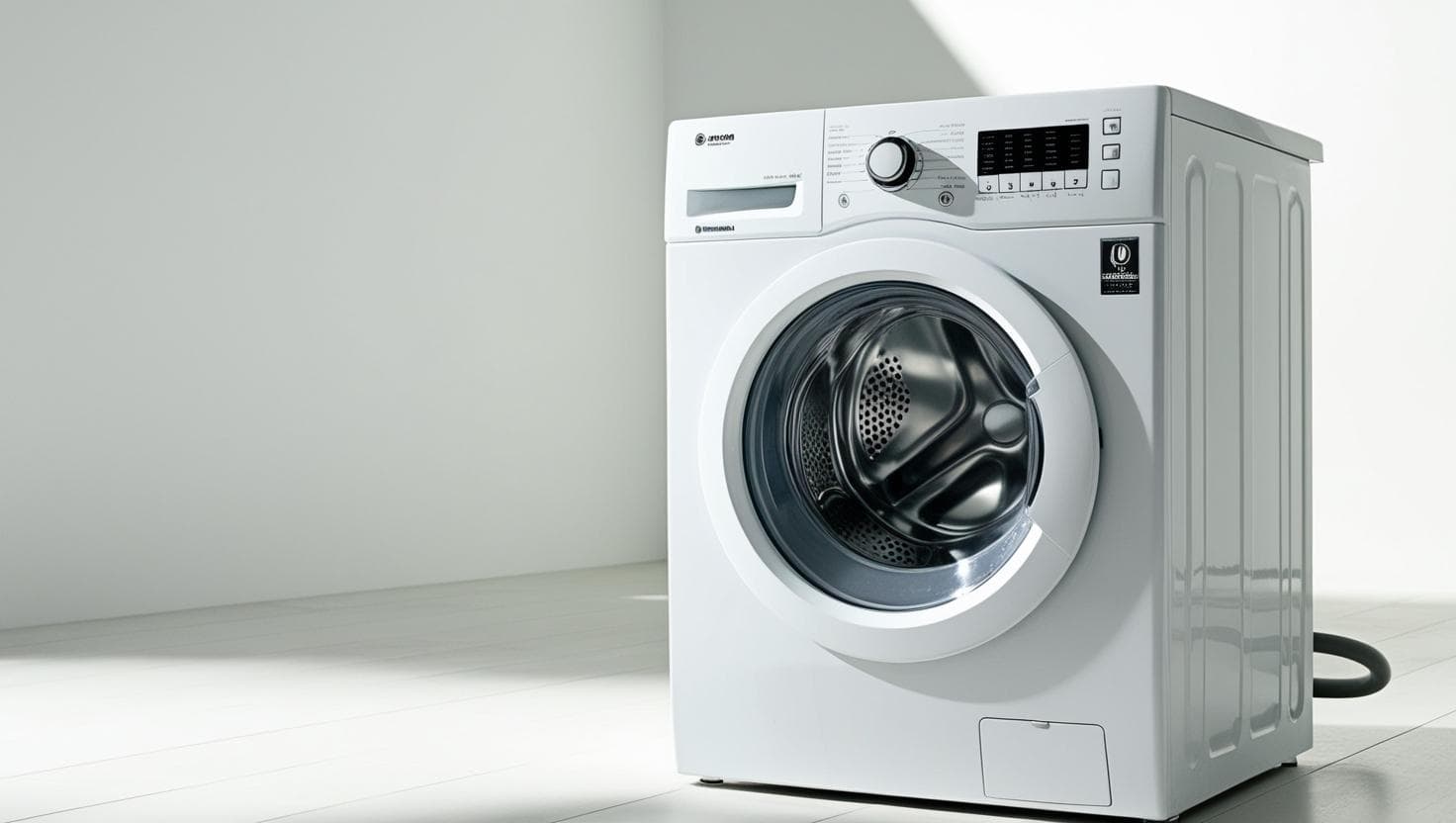
Handling a fully automatic washing machine for the first time can be overwhelming, especially if you're unsure about its features and settings.
Many people struggle to get the most out of their machines, often making mistakes that can affect the washing performance. This guide covers everything you need to know about using a fully automatic washing machine, from basic functions to essential do's and don’ts, helping you make the most of your laundry experience.
Types of Automatic Washing Machines
Automatic washing machines come in two types: Top-loading and Front-loading.
Both are designed for convenience and easy access.
Top-loading machines are more affordable, with a vertical drum and an agitator that moves the drum continuously. However, they tend to use more water and have longer wash cycles.
Front-loading machines, with a horizontal drum and front door, are more energy-efficient, use less water, and offer gentler, more effective cleaning.
Step-by-Step Guide for Using a Fully Automatic Washing Machine
Preparation Steps
Before your first wash, read the user manual. Check garment labels for care instructions to preserve fabric quality.
- Segregate white, light-coloured, and dark-coloured garments to minimize the risk of colour transfer.
- Categorize heavy fabrics such as towels and denim separately from lightweight materials like t-shirts and linens.
- Separate delicate fabrics, including silk, and wool, and opt for a gentle wash cycle to preserve their texture and longevity.
Empty pockets and securely zip or hook clothes to prevent damage to both the machine and laundry.
Loading the Washing Machine
Once you've examined the fabrics, place them loosely in the drum, filling up to three-quarters of its capacity to avoid overloading, which can affect cleaning.
For better performance, distribute the load evenly to reduce noise and maintain balance during the spin cycle.
Adding Detergent and Fabric Softener
Use machine-specific liquid detergent to avoid residues on clothes. Measure the detergent accurately and add it to the designated compartments.
Close the lid and move to the next step.
Selecting the Right Wash Cycle
Choose the appropriate wash cycle. Use cold water for delicates, warm for regular laundry, and hot for heavily soiled clothes.
Automatic washing machines offer options for jeans, heavy items, delicates, and separate cycles for washing, rinsing, and drying. Select the right cycle based on the load.
Starting the Machine
In fully automatic washing machines, you can select immediate washing options or set a timer for later use. Ensure the lid is properly closed to prevent leaks and interruptions.
Press the start button and wait for the rinsing and spinning phases to complete.
Unload once the wash cycle ends
Once you hear the alert indicating your clothes are washed, unload them promptly.
If they're twisted or tangled, arrange them properly to prevent wrinkles. Check the drum twice to ensure no wet clothes remain.
7 Must-Know Maintenance Tips for Your Fully Automatic Washing Machine
Maintaining your automatic washing machine ensures longevity and improved performance. Follow these steps to keep it in good condition:
- Avoid using the washing machine frequently in one day; if needed, leave a 40 to 60-minute gap between uses.
- Clean the drum, detergent drawer, lint filter, and rubber seal regularly.
- Use the correct detergent and amount, and leave the door open after washing to prevent odours.
- Periodically clean the empty drum to keep the machine fresh and enhance performance.
- Remove damp clothes immediately after washing to prevent bad odours and mildew growth.
- For repairs or damages, consult a professional instead of attempting to fix it yourself.
- Avoid overloading or underloading the drum, as both can damage the machine and affect performance.
Conclusion
A fully automatic washing machine operates with pre-set programs for washing, rinsing, and spinning. However, its lifespan and efficiency depend on proper maintenance.
By following these simple maintenance tips, you can ensure optimal performance and safe operation, ensuring clean clothes every time.
FAQs
What are the main differences between top-load and front-load fully-automatic washing machines?
Key differences between the two automatic machines include:
- Design, drum placement, and accessibility
- Water and energy efficiency
- Cleaning performance and lifespan
- Cost and maintenance
How do I choose the right washing cycle for different types of clothes?
Choose the right wash cycle based on fabric type. Many automatic washing machines offer specific programs for different clothes, refer to the user manual for details.
What are the common issues faced with fully-automatic washing machines and how can they be resolved?
Common issues with fully automatic washing machines include mould and mildew growth, drainage problems, leaks, spinning issues, odors, and excessive noise. While the user guide can provide some solutions, it's recommended to seek professional help to accurately identify and resolve the root cause.
How regularly should I clean my fully automatic washing machine?
At least once a month or every 30 cycles is highly preferable for optimal performance. It also prevents mildew and mold growth and bad odors.
Are there any energy-saving tips for using a fully automatic washing machine?
Yes. Use cold water whenever possible, and choose efficient cycles like eco and quick wash. Instead of using the dryer every time, you can air dry the clothes.